
Property finder built for real estate investors
Search 150M+ on-market and off-market properties. Filter for your strategy, investigate the opportunity, and take your shortlist into analysis.
Free account creation. A paid plan is required to analyze your own deals.
50+ property search filters · On-market and off-market · Research attached to the result
Select a city and filters to explore properties.
Animated demo · Illustrative data · Addresses hidden
More context.
A clearer shortlist.
Find properties that fit your criteria. Understand the opportunity before you underwrite.
 Explore property research →
Your strategy. Your criteria.
50+ filters help you narrow the search.
Property
Ownership
Financial
Location & activity
More about investor property search
Start with your investment criteria
Search beyond beds, baths, and price. Use ownership, financial, and property records to identify opportunities that fit your strategy.
Explore more filter options
- Property: year built, stories, pool, and flood zone.
- Ownership: inherited property, cash buyers, and investor buyers.
- Financial: equity percentage and assumable loans.
- Records: pre-foreclosure, foreclosure, REO, auction, tax delinquency, and judgments.
- Location: address, state, or APN, alongside city, county, and ZIP.
Keep the next step connected
Review ownership, financial history, and comparable sales. Then move qualified properties into underwriting before considering an offer.
Consumer listing search vs investor search
A home search helps you find a place to live. An investor search helps you evaluate an opportunity.
Consumer listing search
- Optimized around active listings
- Filters on home attributes: beds, baths, price
- Built for the consumer buying and renting experience
- The search ends at the listing page
Investor property search
- Covers off-market properties, not just active listings
- Filters on ownership: years owned, corporate or trust, inherited
- Filters on financial position: estimated equity, mortgage balance
- Filters on distress records: pre-foreclosure, auction, tax delinquency
- Connects the result to research and underwriting
From a search to a shortlist
Five steps to focus your search and carry the research into your analysis.
Search beyond active listings
Explore on-market and off-market properties together.
Narrow to your criteria
Refine by property, ownership, financial, and location criteria.
Understand who owns it
Review the owner, holding entity, and linked properties.
Investigate the property
Check mortgages, taxes, sales, and listing history.
Decide whether it deserves underwriting
Take qualified opportunities into the right investment model.
A search result is only the beginning
Go beyond the listing. Bring ownership, financial history, comparable sales, and local market context into your evaluation.
Ownership & portfolio
Review the current owner, holding entity, linked properties, and associated people.
Financial & transaction history
Investigate recorded mortgages, estimated balance and equity, taxes, assessed values, and sales history.
Comparables & property context
Compare sales, price per square foot, property characteristics, and flood-zone context.
Coverage varies by property and record type. Recorded mortgage amounts are not current payoffs; estimated equity is not verified seller proceeds. Verify material information.
- Estimated value
- $540,000
- Estimated equity
- $237,600 · 44%
- Estimated LTV
- 56%
- Annual property tax
- $8,100
Value vs debt
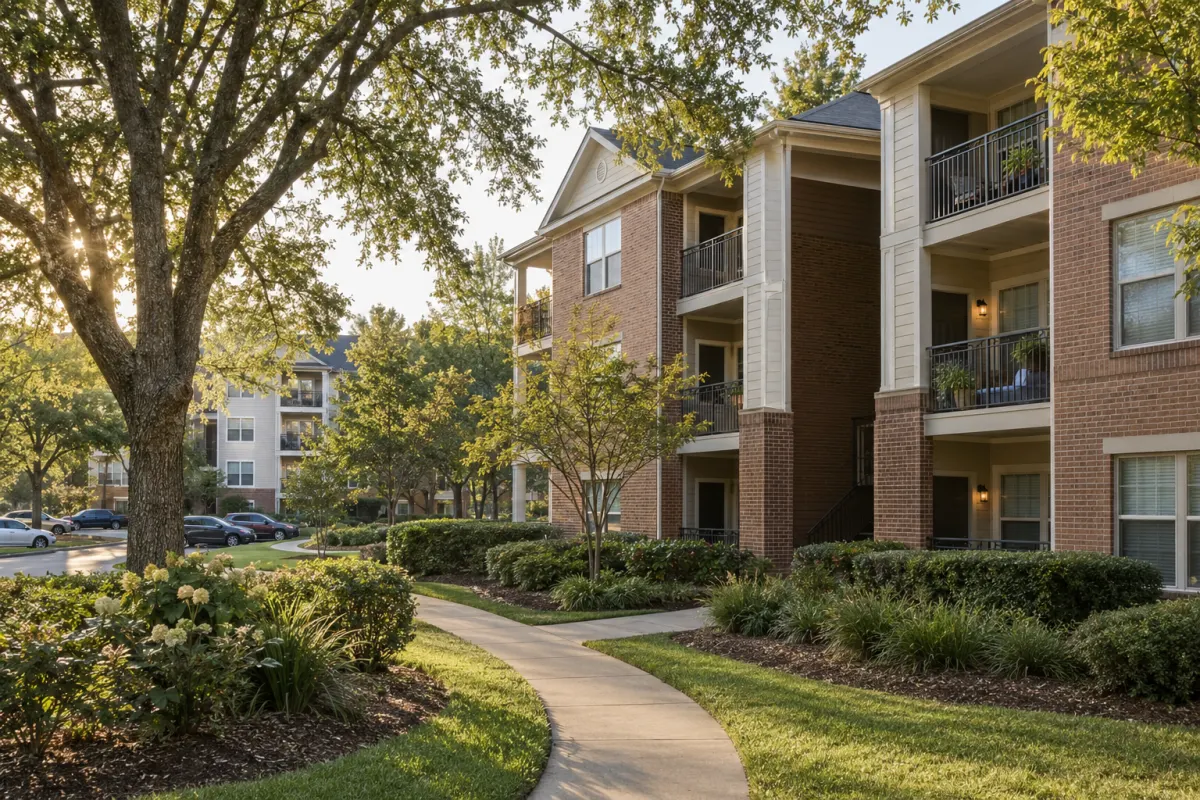
Property 1 · address hidden
Multifamily · 20 units
- Property type
- Apartments
- Units
- 20
- Year built
- 1986
- Building size
- 18,400 sq ft
Illustrative records and representative photos. Verify valuations, ownership, tax, and property details. Address and contact information hidden.
Learn how to research the opportunity: The property research guide · Researching an off-market property · Researching the owner · Analyzing comparables
Find and research off-market properties
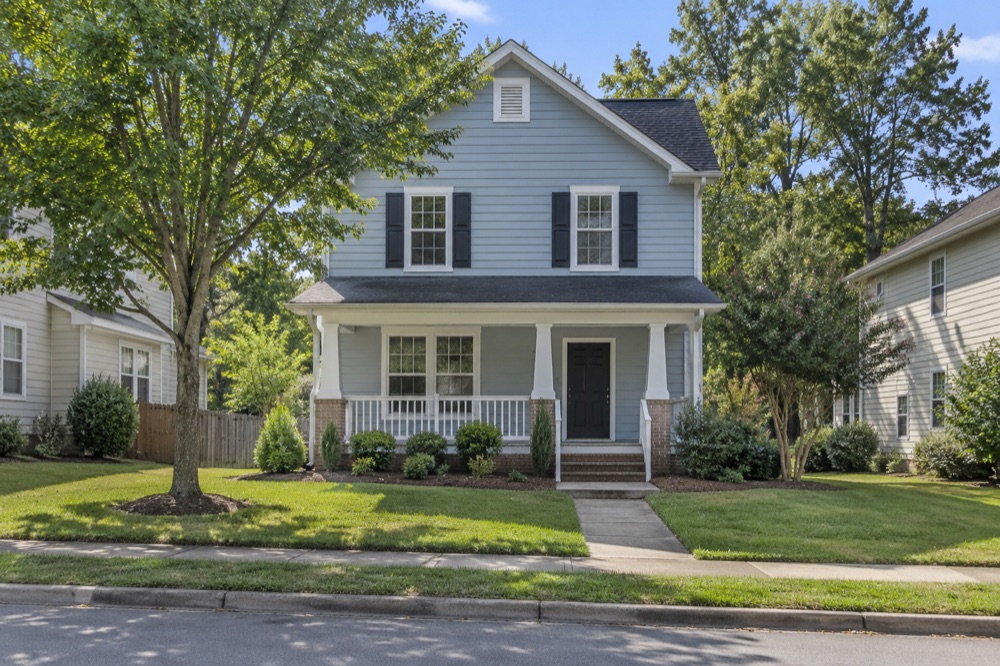
Research the property.
Understand the ownership.
Explore properties that are not publicly listed. Review ownership, estimated equity, and transaction history before deciding on your next step.
Skip tracing is a metered contact research feature. Verify contact matches and follow applicable outreach requirements.
About off-market data and responsible use
What off-market means
The property is not publicly listed. It does not tell you whether the owner is open to selling.
Use records as context
Ownership, equity estimates, taxes, and sales history help you frame questions. They do not reveal a person’s motivation.
Verify before contacting
- Contact matches may be outdated or associated with someone else.
- Verify who you are contacting and honor opt-outs.
- Follow applicable federal, state, and local outreach requirements.
DealWorthIt does not score owners or detect seller motivation.
Move a result into the analysis built for it
Keep your research connected as you move into the model built for your investment.
Multifamily
Analyze unit mix, operations, debt, and hold projections.
Self-Storage
Model unit income, economic occupancy, and facility returns.
Need the full analysis story? Explore real estate underwriting software — or the development pro forma on the new-construction page.
Three searches, three strategies
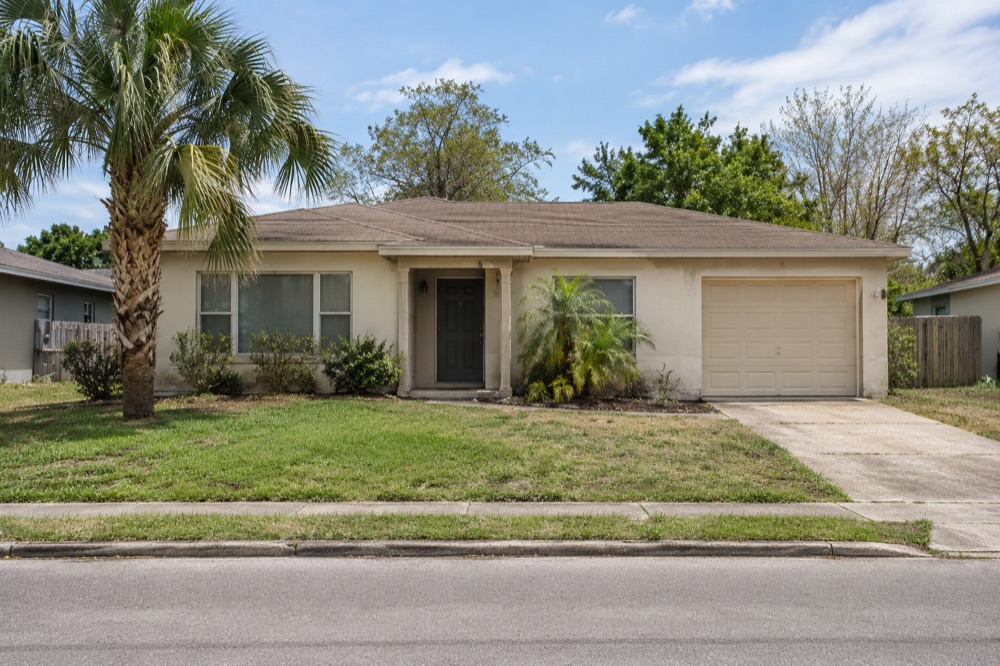
ILLUSTRATIVE SEARCHA buy-and-hold search
Single-family · 3+ beds · Price range · Estimated equity
 ILLUSTRATIVE SEARCH
A fix-and-flip search
Location · Year built · Building size · Property records
ILLUSTRATIVE SEARCHA multifamily search
Multifamily · Units range · County · Years owned
Finding is the first stage of five
The finder feeds the same workflow the rest of the platform runs on — research, analysis, scenario comparison and reporting on the properties worth keeping.
Find
Discover on-market and off-market opportunities.
Research
Review ownership, debt, tax, property, comparable, and market data.
Analyze
Underwrite deals using asset-specific financial models.
Compare
Test scenarios and assumptions side-by-side.
Present
Create clear reports for investment decisions, partners, and teams.
Property records, contact data, estimates and search results can be incomplete or outdated. Verify material information before contacting an owner or making an investment decision.
Property finding for investors, answered
A property finder for real estate investors is a search tool built around investment criteria rather than consumer listing filters: ownership, estimated equity, distress records, listing activity and property characteristics, across both on-market and off-market properties. In DealWorthIt, the finder is the first stage of a workflow — every result connects to ownership and property research and then into underwriting.
Yes. The search spans both on-market and off-market properties, so it includes properties that are not currently listed anywhere. Off-market results are found by criteria — ownership, equity, distress records, property characteristics — rather than by listing status, which is how investors surface opportunities nobody is marketing.
No. Off-market means the property is not currently being publicly marketed through the active listing channels being searched — nothing more. Most off-market owners are simply not selling. The research tells you whether a property fits your criteria and what questions to ask; only an actual conversation tells you whether the owner is open to one.
DealWorthIt offers 50+ property search filters, spanning property characteristics (type, beds, baths, building and lot size, year built, units), ownership (years owned, properties owned, corporate- or trust-owned, inherited), financial position (price, assessed values, estimated equity, mortgage balance, assumable loans), listing activity (MLS status, listing price, days on market), distress records (pre-foreclosure, foreclosure, REO, auction, tax delinquency, judgments), location (address, county, city, state, ZIP, APN) and property features.
Yes. A result’s research profile carries current owner information, the holding entity where one exists, years owned, linked properties and associated people — the context for understanding whether the property appears to be a standalone holding or part of a broader portfolio. Skip tracing is available as a metered feature for contact research; matches should be verified before use.
Yes — as estimates, labelled as estimates. The research profile carries recorded mortgage data, an estimated current balance and estimated equity, alongside tax and assessed values. A recorded mortgage amount is not a current payoff, and estimated equity is not verified seller proceeds — the estimates frame the opportunity; verification comes before any transaction.
Yes — that is the point of the workflow. A promising result moves into the analysis built for the strategy: buy and hold, fix and flip or wholesale for single-family, the multifamily workflow for apartment deals, or self-storage analysis for facilities. The research you did becomes the assumptions you model.
Yes, as a metered feature: it turns an owner of record into candidate contact information — a lead to verify, not an identity established. Contact data can be stale or associated with multiple people, so verify who you are speaking with, honor opt-outs, and follow applicable outreach requirements. DealWorthIt does not provide outreach or campaign tools.
Find your next deal with more context
Search the property, research the opportunity, and move the deals that make sense into underwriting.