Property research: what to know before you make the offer
Know what to check before you make an offer. Research ownership, property records, comparable sales and rents, and the local market.
A practical guide for investors evaluating on-market and off-market opportunities.
Property research verifies the facts behind an investment: the property, its ownership, and its market. Underwriting turns those findings into financial assumptions.
Use records to frame questions, then verify material information. Estimates and historical data are a starting point, not a substitute for due diligence.
The pre-offer checklist
- Confirm the owner of record, title, and length of ownership.
- Review recorded mortgages and estimated equity. Confirm the current payoff separately.
- Check taxes, assessed values, sales history, listing activity, and flood or hazard records.
Go deeper: How to Research Mortgage, Equity & Sales History Before Buying a Property · 6 Important Factors to Consider Before Investing in Real Estate

Understand the ownership
- Review the holding entity, mailing address, and linked properties for ownership context.
- Ownership tenure or estimated equity does not tell you whether someone wants to sell.
- Verify skip-trace matches, honor opt-outs, and follow applicable outreach requirements.
Go deeper: How to Research a Property Owner Before Making an Offer · How to Research an Off-Market Property Before Contacting the Owner · How to Find Real Estate Deals That Are Cash-Flowing

Comparables: sales and rents
- Choose recent, nearby properties with similar size, condition, and use.
- Use comparable rents to support income assumptions; check lease terms and concessions.
- For renovations, compare both as-is and improved properties. Avoid relying on a single outlier.
Go deeper: How to Analyze Property Comparables for an Investment Deal
Market and neighborhood data
- Review population, household income, employment, and rental trends together.
- Check source dates and geographic coverage before comparing figures.
- Use public benchmarks alongside local comparables; market trends do not guarantee future returns.
Go deeper: How to Perform a Real Estate Market Analysis Like a Pro · How to Find Your Perfect Property Deal Using Demographic Metrics? · Why Proximity Is Your Property’s Best Friend in 2024? · U.S. Cities to Watch for Real Estate Investment in 2026

From research to underwriting
- Translate comparable rents into income assumptions and verified taxes into expenses.
- Document the source and date behind each material input.
- Test uncertain assumptions with scenarios before deciding on an offer.
Go deeper: How to Automate Your Real Estate Market Data Collection? · How Can AI & Location Data Enhance Real Estate Deals?
Explore the records. Build your checklist.
Follow a sample search, then explore the property’s research tabs.

Select a city and filters to explore properties.
Animated demo · Illustrative data · Addresses hidden
Five checks before the next step
Use this practice checklist to organize your review.
Practice only; progress resets when you leave. Checking a box does not verify the underlying data.
Research vocabulary, briefly
Quick explanations of the terms used in property research.
Off-market property
A property not listed for sale. Found through ownership research and outreach rather than a listing feed — and priced without a bidding war.
Owner portfolio
Everything an owner holds, assembled from the record. Signals whether you are talking to an accidental landlord or an operator — and what else they might sell.
Equity position
Estimated value minus known mortgage debt. High equity means room to negotiate; low equity constrains what any seller can accept.
Skip tracing
Locating an owner’s current contact information from their name and records, so off-market outreach can actually reach them.
Comparable sales
Recent sales of genuinely similar nearby properties, adjusted for differences. How value is evidenced — to you, the appraiser and the lender.
Rent comps
What similar units nearby actually rent for. The evidence behind the income assumption your whole underwriting rests on.
MLS history
A property’s listing record — including expired and withdrawn listings, which mark sellers who already wanted out once.
Foreclosure & distress data
Public filings that surface owners under pressure. A sourcing signal that demands more diligence, not less, on the property itself.
Go deeper, by subtopic
Ownership and seller research2 articles
Financial and transaction history1 article
Valuation and comparables1 article
Data and AI2 articles
Researching a market6 articles
- How to Perform a Real Estate Market Analysis Like a Pro
- How to Find Your Perfect Property Deal Using Demographic Metrics?
- Why Proximity Is Your Property’s Best Friend in 2024?
- U.S. Cities to Watch for Real Estate Investment in 2026
- How to Automate Your Real Estate Market Data Collection?
- Climate Change: Is Real Estate at Risk in the Future?
Related guides: Real Estate Underwriting · Multifamily Investing · Single-Family Investing · All guides
 Put it into practice
How DealWorthIt fits in
Organize the evidence behind the deal, then carry your findings into the investment model.
- 01
Find the opportunity
Search on-market and off-market properties using criteria that fit your strategy.
- 02
Explore the records
Review ownership, financial history, comparables, building details, and location context.
- 03
Carry the context forward
Use your research to inform the assumptions you test in the analysis.
Coverage varies by property and record type. Verify material information; estimates are not appraisals or current loan payoffs.
- Estimated value
- $540,000
- Estimated equity
- $237,600 · 44%
- Estimated LTV
- 56%
- Annual property tax
- $8,100
Value vs debt
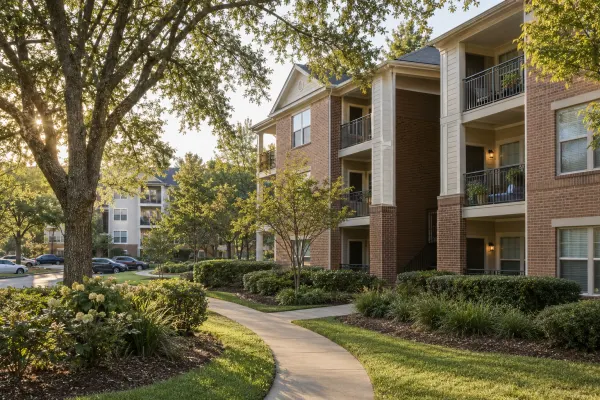
Property 1 · address hidden
Multifamily · 20 units
- Property type
- Apartments
- Units
- 20
- Year built
- 1986
- Building size
- 18,400 sq ft
Illustrative records and representative photos. Verify valuations, ownership, tax, and property details. Address and contact information hidden.
Research the property before you price it
Look up the owner, the record and the comps, then carry what you learn straight into the analysis.